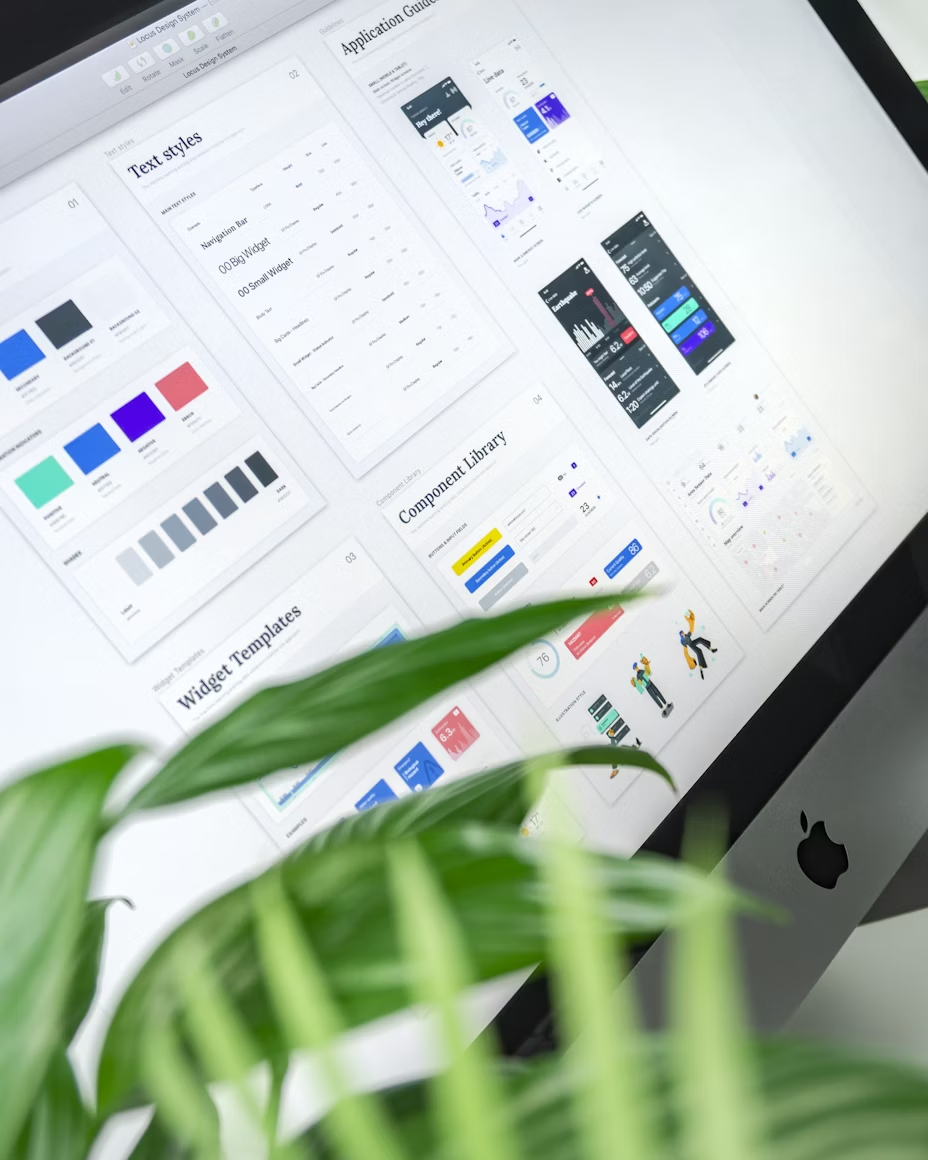
The Future of Design Systems in 2024
“A design system isn't a deliverable. It's a living, evolving product that serves your team the same way your product serves your users.”
For most of my career, a design system meant a Figma library and a Storybook instance that were quietly out of sync with each other by week three. Someone would update the button component in Figma, forget to tell engineering, and two months later you'd have four button variants in production and a designer who'd lost the will to live.
Tokens are the real foundation
The shift that actually changed how I think about systems is design tokens — not as a nice-to-have, but as the single source of truth that both design and code reference. When your colour palette lives in a token file that Figma, your CSS, and your native apps all consume from the same source, the drift problem largely disappears.
Tools like Token Studio and Style Dictionary have made this accessible to teams without a dedicated platform engineer. I've been running a token-first system for a fintech client for eight months, and we've pushed twelve brand updates across iOS, Android, and web simultaneously — each one taking under an hour.
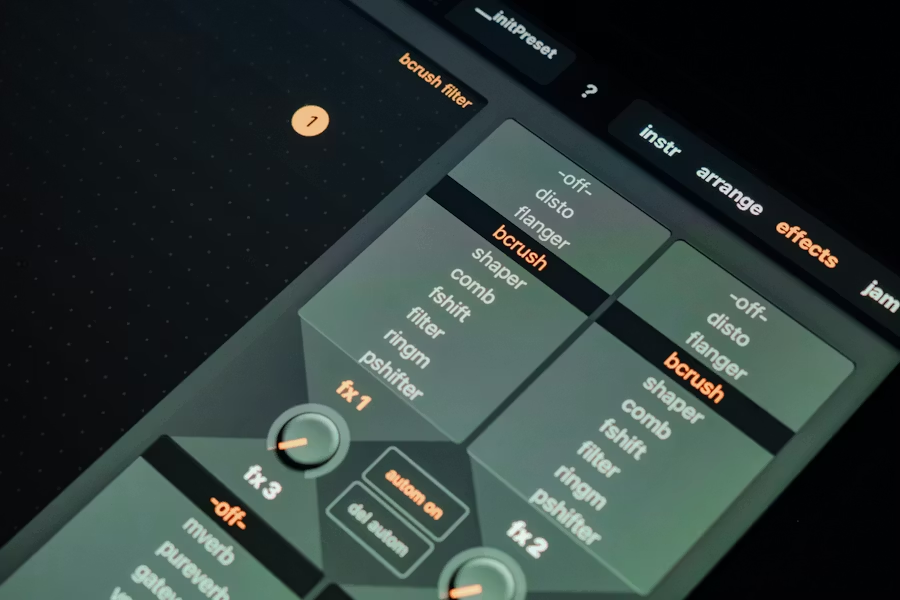
AI is changing the role of the system
The more interesting shift is what generative AI is doing to the shape of design systems themselves. When a developer can prompt an LLM to produce a component, the system's job is no longer just to provide building blocks — it's to encode intent. Why does this button look this way? What emotional register is this card supposed to communicate? What should never be combined with what?
The systems that will survive the next two years are the ones with strong opinions documented in plain language, not just visual specs. Write the rules your AI co-pilot will need to follow, or it'll make them up.